The Hidden Costs of Running a Website: What Clients Need to Understand |
For graphic and web designers, one of the most challenging conversations with clients often revolves around costs—especially the ongoing expenses of maintaining and running a website. While many clients focus on the upfront design and development costs, they often underestimate or overlook the resources needed to keep a website functional, secure, and up-to-date. If you're a client working with a designer, here's what you need to know about the value behind those "hidden" costs and why they matter. |
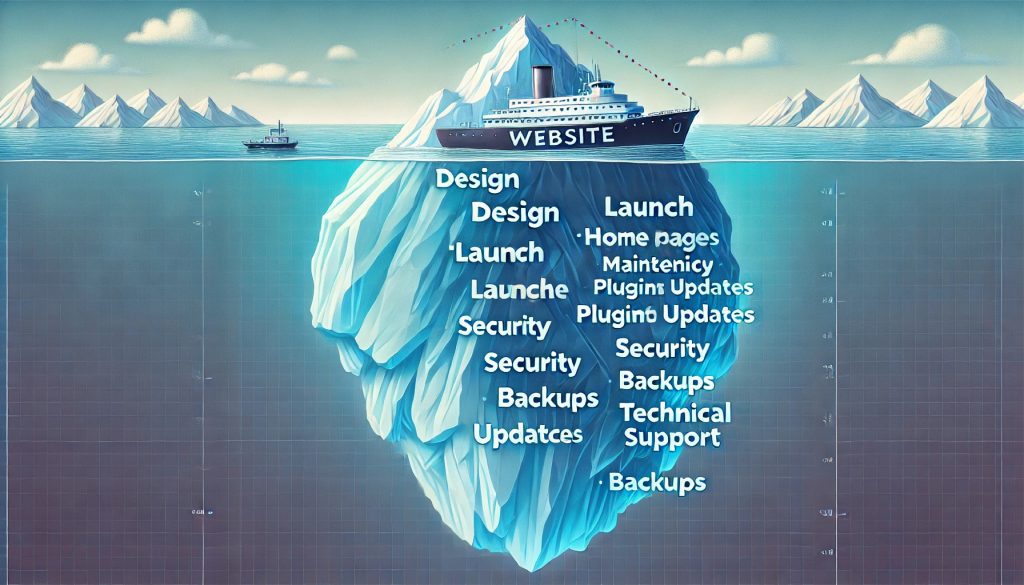
The True Cost of a Website Isn't Just in the Build |
When you first hire a designer to create your website, the price tag typically reflects their time, expertise, and the tools required to build it. However, once your site is live, it doesn’t just run on autopilot. It requires: - Hosting
Your website lives on a server, and hosting ensures it’s accessible 24/7. While there are budget hosting services, reliable hosting comes at a price. High-quality hosting includes faster load times, better security, and technical support, all of which improve user experience. - Domain Renewals
Your domain name—essentially your website’s address—needs to be renewed annually. If it lapses, your site could go offline. - Software and Plugin Updates
Websites built on platforms like WordPress rely on themes and plugins that need regular updates to remain functional and secure. Ignoring these updates can lead to crashes, slow performance, or hacking vulnerabilities. - Security
Cyber threats are on the rise, and protecting your website from malware, phishing, and other attacks requires investment. Security measures like firewalls, SSL certificates, and regular backups often have associated costs. - Content Management
Fresh, relevant content is crucial for staying visible in search engines. Regular updates—whether blog posts, product listings, or promotions—often require either your time or the help of your designer. - Troubleshooting and Technical Support
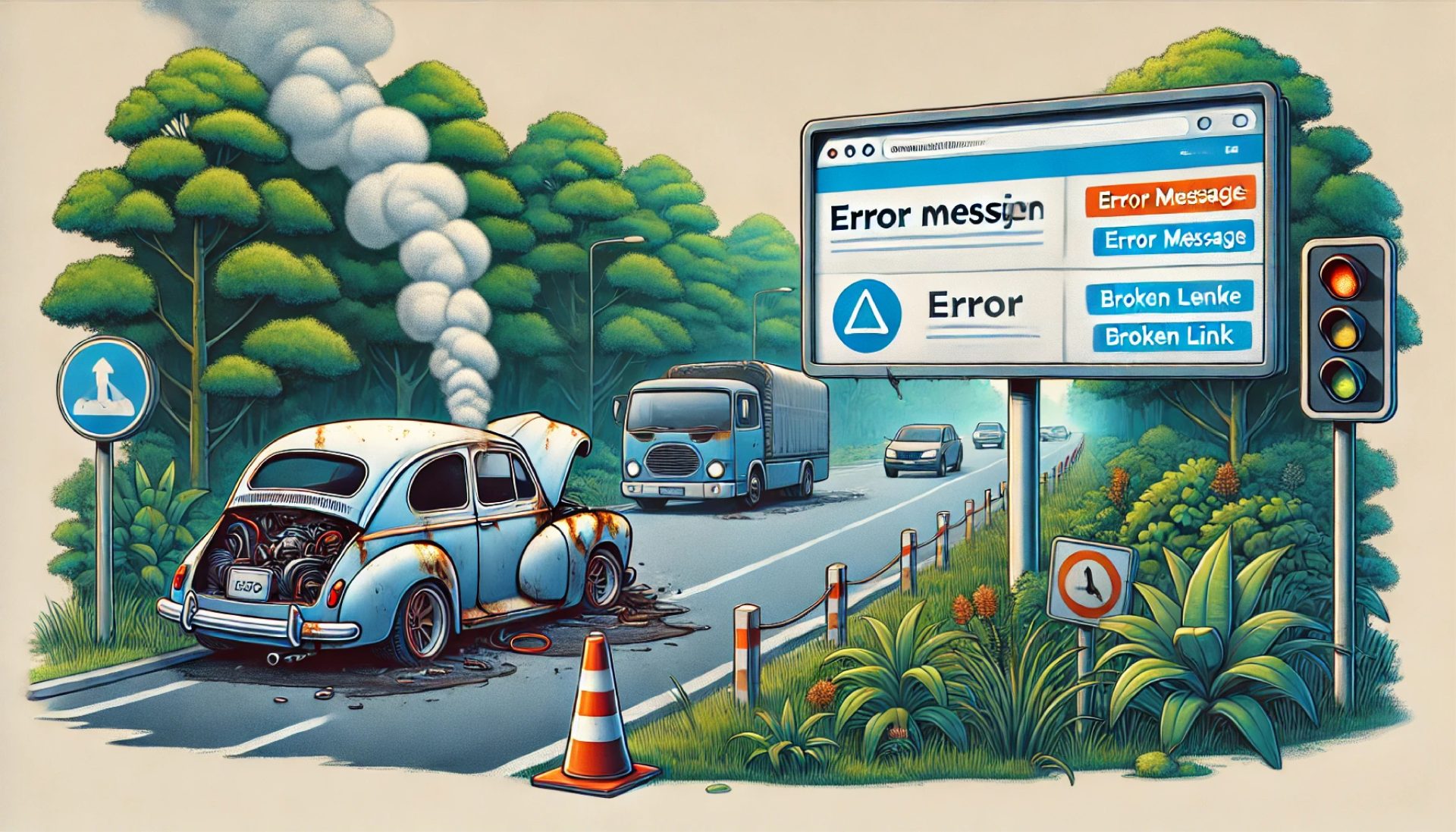
Things break. Pages don’t load, forms stop working, or plugins conflict. Designers often step in to resolve these issues quickly, but this time and expertise come at a cost. |
Why Maintenance Plans Matter |
For many clients, the idea of a maintenance plan can feel unnecessary—until something goes wrong. Maintenance packages typically include regular updates, backups, monitoring, and support. Think of it as an insurance policy for your website: by investing a little each month, you save on costly fixes later. Skipping maintenance is like buying a car and never taking it for a service. It might run fine for a while, but eventually, neglect catches up. |
Why Do These Services Cost Money? |
From the outside, it may seem like designers are simply “ticking boxes” with hosting renewals, updates, and backups. But in reality: - Time Is Money: Managing and maintaining a website requires the designer’s time, and time spent on maintenance is time they can’t spend on other projects.
- Expertise:Designers and web developers stay on top of ever-changing technologies, threats, and trends. Their knowledge ensures your website remains effective and protected.
- Tools Aren’t Free:Designers use professional tools and software to monitor, update, and troubleshoot websites—investments that they factor into their service fees.
|
A Partnership, Not a Transaction |
As a client, it’s important to view your designer not just as a one-time vendor but as a partner in your business’s digital success. A well-maintained website is a cornerstone of your brand, and keeping it in excellent shape is a shared responsibility. While costs might seem high at first glance, they’re investments in your online presence. Reliable hosting, regular updates, and professional maintenance ensure your website operates smoothly, providing value to your visitors and, ultimately, your business. |
For designers, the struggle to communicate the importance of website costs is ongoing. For clients, understanding that these expenses are about preserving and enhancing the value of your site—not just paying for convenience—is key. By investing in the ongoing care of your website, you’re ensuring it stays functional, secure, and competitive in a crowded online space. And that’s a cost well worth paying. |
|